Business waste removal in Muswell Hill
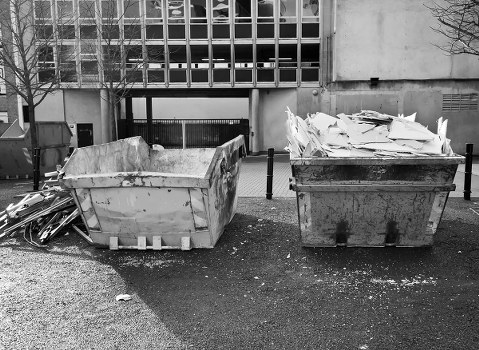
Business waste removal in Muswell Hill needs to be organised, discreet and practical, especially when you want day-to-day operations to continue without clutter building up. Our service covers a wide range of commercial refuse, from packaging and office fixtures to bulky items and mixed non-hazardous waste, with a clear focus on getting the right materials moved efficiently. If you are planning a one-off clearance or need regular help with overflow waste, we can handle collections with a straightforward approach.
We deal with collections for shops, offices, studios, workshops and other commercial premises, so the service is suited to businesses that produce varied waste streams. That can include cardboard, general rubbish, unwanted furniture, obsolete equipment and items that need separating before disposal. Where possible, recyclable materials are directed away from general waste, helping you keep your own waste arrangements more orderly. For a wider view of what we handle, see our waste removal page.
If you are comparing options for a commercial clearance, a sensible next step is to note the type of waste, roughly how much needs moving and whether anything needs special handling. You can then ask for a quote with a clearer picture of the work. Tell us what needs clearing, and we can help you shape the job around access, timing and disposal requirements. When you are ready, request a quotation in plain language and we will take it from there.
Commercial collections for everyday business waste
Many businesses need a service that deals with the waste they generate as part of ordinary trading rather than a full-scale premises clearance. That may mean sacks of mixed rubbish, broken storage, packaging that has accumulated after deliveries or items that are too bulky for routine bin use. Our business waste removal service is designed to keep those jobs simple, with collection arranged around the materials you want taken away rather than forcing you into a one-size-fits-all approach.
We can support offices, retail units and light commercial premises where waste builds up in storerooms, back rooms or shared work areas. In practice, the work often involves a mixture of separation, lifting and transport, followed by disposal or recycling where appropriate. If you are weighing up whether you need a general collection or a more targeted service, the office clearance page is a useful place to compare the kind of items often removed from working premises.
Useful information before requesting a quote can keep the process efficient. It helps to know what materials are involved, whether access is straightforward and whether the waste is already bagged or stacked. You do not need to prepare a perfect inventory, but a clear description reduces guesswork and makes it easier to set expectations. If there are mixed items, it also helps to mention anything that may need separate disposal, such as electrical equipment or items contaminated with food waste.
Clearance options for offices, stockrooms and workspaces

Business waste often grows in places where staff are focused on customers, production or administration rather than housekeeping. Stockrooms, under-desk storage, archive areas and shared workspaces can all become crowded with packaging, old fittings and redundant items. Our clearance options are aimed at helping you remove that build-up in a controlled way, so the usable parts of the premises remain practical. Where required, we can also separate recyclable materials from mixed loads before disposal.
If your premises contain furniture or equipment that has reached the end of its useful life, it may be more efficient to clear those items alongside general waste in a single visit. That can reduce repeated handling and keep disruption down. For workspaces that are being refreshed, the furniture disposal page gives a clearer idea of how larger office items can be managed when they are no longer wanted.
Typical commercial items we often remove include seating, desks, shelving, packaging, broken storage and miscellaneous waste from refurbishments or reorganisations. Some loads are straightforward, while others require more sorting because the materials differ or the items are awkward to move. Either way, the key is to make the clearance fit the contents of the site rather than forcing the site to fit the clearance. That keeps the job more manageable for everyone involved.
Bulky items and office furniture
Business premises frequently contain larger items that cannot simply be left out for ordinary waste services. Desks, filing cabinets, shelving, chairs and reception furniture can occupy valuable space long after they stop serving a purpose. We remove bulky commercial items as part of business waste removal, and this is often the most effective way to restore order in a room that has become overfilled. When needed, we can also combine bulky item removal with mixed rubbish collection.
Furniture-heavy clearances are common during relocations, reorganisations or updates to workplace layouts. In those situations, a practical disposal plan helps avoid delays and duplicate handling. Our service is suited to premises that need a sensible route for unwanted items without overcomplicating the process. If your clearance includes domestic-style furnishings from staff areas or mixed premises, the furniture clearance page may also be relevant when you are deciding how the job should be handled.
Before we collect bulky items, it is useful to think about access through corridors, stairwells, loading areas or shared entrances. If items have to be moved from upstairs, basement or storage rooms, mention that early so the collection can be planned accordingly. That simple detail can make a big difference to how smoothly the work runs, especially when several sizeable items are involved.
Specialist disposal for electrical and confidential materials

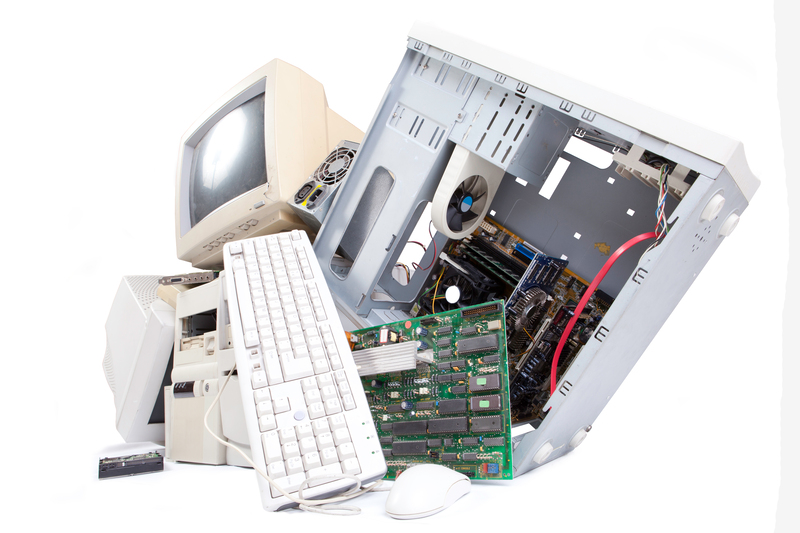
Not every business waste job is about mixed rubbish alone. Some premises also need help with appliances, electrical equipment or documents that should be handled carefully. Where the load includes unwanted fridges, small appliances or other bulky units, disposal needs to be organised with attention to the material type and the practicalities of moving it safely. Our service can include these items as part of a wider commercial clearance where appropriate.
Documents, archived papers and items containing sensitive information may call for separate handling rather than being folded into an ordinary general waste job. If your premises are clearing out records or paperwork, the confidential shredding page provides a more specific route for that kind of material. Keeping those items distinct from standard rubbish is a sensible way to manage both tidiness and confidentiality.
For appliances and similar items, condition matters because damage, contamination or awkward size can affect the method of removal. It also matters whether the items are part of a one-off clear-out or only one section of a larger commercial load. We work through those details by item type rather than treating every job as identical, which is a better fit for businesses with mixed waste streams and varied storage space.
Garden areas, external spaces and building-related waste
Some commercial properties include yard space, planting areas, loading bays or external storage zones that collect waste as well as indoor rooms. That can mean old planters, broken outdoor furniture, packaging, general rubbish or materials left after maintenance work. Our business waste removal service can extend to those spaces where a tidy external area matters just as much as the inside of the building. The aim is to remove the materials that are getting in the way and dispose of them responsibly.
For premises where the outside space has become tangled with cuttings, pots or mixed green waste, a more focused approach may be useful. The garden clearance page covers material that is more garden-oriented, while commercial clearances can still include a mix of external items where they are part of the overall waste on site. The right option depends on what is actually present and how much sorting the job will need.
When outdoor waste is part of the collection, it helps to say whether the items are loose, bagged or piled near a rear entrance. That is especially useful where access is shared, narrow or subject to set opening times. A clear description lets the collection be organised without unnecessary delay, and it keeps the work focused on the materials that need to go.
Pricing factors and the shape of a commercial quote
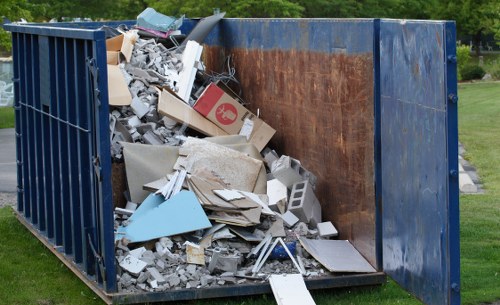
Quotation requests for business waste removal are usually shaped by a few practical factors rather than by a fixed pattern. The type of waste, the overall volume, how much labour is needed and how easy it is to access the items all affect the cost. Mixed loads may also need more sorting than single-material clearances, particularly where there are bulky items alongside general rubbish. A clear and accurate description is therefore the best way to get a useful quote.
It can help to mention whether the waste is already gathered in one area, whether there are stairs or tight access points and whether any items require careful handling because of weight or size. For a broader view of how estimates are prepared, the pricing and quotes page is useful when you want to understand the information that may shape the final figure. That keeps the quotation process practical rather than speculative.
Two brief points often make the biggest difference to quotation accuracy. First, separate the main waste types in your description if you can. Second, note any site restrictions such as parking, loading access or limited collection times. You do not need to over-explain the job, but a little structure makes the quotation more relevant to the actual work that needs doing.
How to prepare a business waste collection
Preparation is usually simple, and the aim is not to create extra work for you. If items can be grouped together before collection, that makes the process more efficient, but it is not essential to sort every piece into a separate pile. What matters most is that the waste is described clearly enough for the job to be planned properly. For businesses clearing several rooms or different storage zones, a quick walk-through of the site is often enough to identify the main items.
A short list can help if your waste includes different kinds of material or furniture. For example, you might group the load into packaging, office items, unwanted fittings and any appliances that need special handling. If the premises are being reorganised, this can be a good moment to note which items are to be removed immediately and which are staying in use. That keeps the collection focused and avoids unnecessary movement on the day.
Where useful, you can ask for a quotation after gathering basic details about access, quantity and item type. Clear information saves time, but it does not need to be polished. The main goal is to make sure the service matches the waste on site and the way your business operates.
About Muswell Hill
Muswell Hill is a residential district in north London, set on elevated ground within the London Borough of Haringey and known for wide views across the city from parts of its high street and surrounding streets. The area developed significantly in the late nineteenth and early twentieth centuries, when suburban housing and local amenities expanded around a growing shopping centre. Its name is commonly linked to the medieval spring called the Muswell, which gives the district a long-established local identity that predates the modern streetscape. Today, the area is characterised by tree-lined roads, substantial period housing and a centre that mixes independent shops with everyday services. One of its best-known landmarks is Alexandra Palace, which lies close to the district and forms an important part of the wider local setting. The palace itself opened in the 1870s, and the surrounding parkland remains a prominent feature for visitors and residents alike. Muswell Hill also has strong links with green open space through the nearby Parkland Walk, a linear route created from a former railway line that now supports walking and wildlife. The district’s built environment includes Edwardian and interwar architecture, with streets such as Fortis Green and Colney Hatch Lane connecting the hill to neighbouring parts of north London. Cultural life is shaped by local schools, community venues and a modest but lively retail core, giving the area a settled urban character rather than that of a transient commercial centre.
Waste solutions for different commercial settings

Different premises generate different kinds of waste, and the right collection method depends on what the business actually produces. A retail unit may need help with packaging and display materials, while an office is more likely to have paper, old furniture and obsolete equipment. Workshops and mixed-use sites may produce a broader range again. Our business waste removal service is designed to cope with that variety without making the process more complicated than it needs to be.
Where items are mixed, the work often involves identifying which materials can be kept separate for recycling and which need to go as general waste. That matters because it helps keep the clearance orderly and avoids unnecessary handling later. If you need a broader commercial load taken away alongside office contents, a combined collection is often more practical than arranging different jobs in stages. The important thing is to match the disposal approach to the contents, not the other way around.
If you would like to move forward, request a quotation and tell us what needs to be removed. You can also mention access details and any dates that would suit your business. Ask for a quote when you are ready, and we will use the information you provide to help plan a suitable collection.
Recycling, responsible disposal and site tidy-up
Responsible disposal is an important part of any commercial clearance because business waste rarely consists of one single material. Cardboard, metal, wood, plastics and mixed rubbish may all appear in the same load, and sorting them sensibly makes the service more useful. Where materials can be separated for recycling, that is generally preferable to sending everything into one stream. This is especially relevant for premises producing regular packaging or periodic clear-out waste.
After a collection, businesses often appreciate a space that is not left half-finished or awkward to use. Clearing waste from back rooms, office corners or storage areas can make it easier to reset the layout of the premises and reduce the chance of new clutter building up around the same spots. If your waste contains items that are specifically suited to recycling or specialist handling, the recycling and sustainability page offers a more focused look at that side of the service.
Our approach is to remove what has been set aside, make sensible decisions about disposal routes and leave the area ready for its next use. That may mean a small clear-out after a refit or a larger collection after a period of business change. Either way, the work is most effective when the waste is described honestly and the site is prepared in a way that matches the scale of the job.